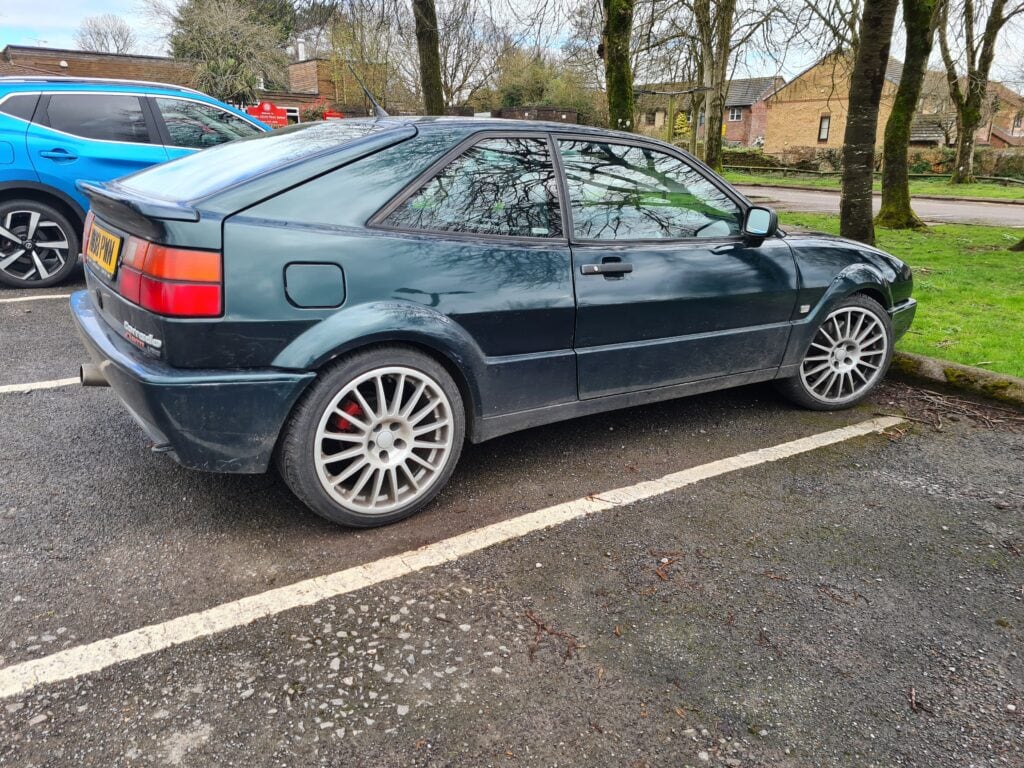
The VW Corrado, also known as Rado or C. for short, is a beloved classic among petrolheads myself included. Produced from 1988 to 1995, came with a variety of engines over its production run. Each engine brought its own characteristics and performance attributes to the table. Whether you’re considering an upgrade or simply curious about the different engines that power this iconic car, this guide will help you understand the pros and cons of each option. Let’s dive into the world of Corrado’s engines and find out which one might be the best fit for you.
1. 1.8L 16V (KR)
Valve train: Inline-4, 16-valve
Output: 136 hp
Torque: 168 Nm (124 lb-ft)
Fuel System: K-Jetronic (mechanical fuel injection)
Overview: the 1.8L 16V engine, also known as the KR, was one of the initial engine options for the Corrado. My first experience with KR came late into my Rado ownership. I’ve discovered that my Vr6 one-lady-owner model had a very professionally smooth-out ding in the rear quarter. The amount of the filler! Well, it’s a story for another day, but the conclusion was: I needed to reshell Vr6. After browsing all the options available, my other half, known better as Monkey, found tidy looking 1.8l. I took it for a ride and… it lacked the power. But as I said for a decade I was used to driving tuned 2.0 16v and Vr6s
Pros:
• High-Revving Nature: Known for its ability to rev high.
• Lightweight: Helps maintain the car’s agility and balance.
• Tuning Potential: Offers good potential for tuning and modifications.
Cons:
• Lower Torque: Compared to later engines, it has less torque, affecting low-end power.
• Age: Being one of the older engines, finding parts can be more challenging.
2. 1.8L G60 Supercharged (PG)
Valve train: Inline-4, supercharged
Output: 160 hp
Torque: 225 Nm (166 lb-ft)
Fuel System: Digifant electronic fuel injection
Overview: Featuring the unique G-Lader supercharger, the PG engine provided a distinct power delivery and sound, making the Corrado G60 a unique choice. Supercharged Corrado is quick, fun to drive, and easy to tune compared to its per-accessors. Downside? It can hit your wallet quite hard.
Pros:
• Distinctive Supercharger Whine: Adds a unique auditory experience.
• Decent Power Output: Provides a good balance of power and torque.
• Classic Appeal: Holds a special place in VW enthusiasts’ hearts.
Cons:
• Supercharger Maintenance: The G-Lader requires regular maintenance and can be prone to failure if not cared for properly.
• Complexity: More complex than naturally aspirated engines, making repairs more challenging as you need a qualified engineer.
3. 2.0L 16V (9A)
Valve train: Inline-4, 16-valve
Output: 136 hp
Torque: 180 Nm (133 lb-ft)
Fuel System: KE-Motronic electronic fuel injection
Overview: An evolution of the 1.8L 16V engine, the 2.0L 16V offered improved torque and was favored for its balance of performance and reliability. That was my very first Corrado bought in the late 2000s. It felt quick, pleasant to drive and was mostly reliable.
Pros:
• Improved Torque: Better low-end torque compared to the 1.8L 16V.
• Reliability: Known for being robust and dependable.
• Easy Maintenance: Simpler to maintain compared to the G60.
Cons:
• Mediocre Power: While reliable, it doesn’t offer the same level of excitement as other engines.
• Less Tuning Potential: Quite limited potential for high-performance tuning compared to smaller displacement engines.
VR6 engines are one of Volkswagen’s most iconic and celebrated power plants, known for their unique design and robust performance. Here’s a comprehensive look at three VR6s engines, their specifications, the cars they came in, and why it remains a favorite among car enthusiasts.
The VR6 engine’s narrow-angle design (15 degrees) allows it to be more compact than traditional V6 engines, making it easier to fit into smaller engine bays without sacrificing cylinder count. They are known for their smooth and linear power delivery. This makes them ideal for both spirited driving and daily commuting.
4. 2.8L VR6 (AAA)
Valve train: DOHC, 24-valve
Power Output: approx 174-200 hp (depending on the model and market)
Torque: approx 235-245 Nm (173-181 lb-ft)
Fuel System: Multi-point fuel injection
• Overview: The 2.8L VR6 engine is arguably the most iconic engine for the Corrado, offering a unique blend of performance and sound.
• It was the engine most commonly found in VW models sold across the US during the 90s: Corrado, Golf Mk3, Jetta Mk3, and Passat.
Pros:
• Power and Torque: Delivers a significant boost in both power and torque.
• Unique Sound: The VR6 engine note is distinctive and highly regarded.
• Smooth Power Delivery: Provides a smooth and linear power curve.
Cons:
• Weight: Heavier than the 4-cylinder options, which can affect handling.
• Complexity: More complex and definitely more expensive to maintain.
5. 2.9L VR6 (ABV)
Valve train: DOHC, 24-valve
Power Output: Approximately 190 hp
Torque: Around 245 Nm (181 lb-ft)
Fuel System: Multi-point fuel injection
• Overview: ABV was primarily a European market engine and was not widely available in the US. It was mainly featured in the European version of the VW Corrado VR6.
• It used to be the top factory-fresh performer in the Corrado lineup.
Pros:
• Highest Power Output: Offers the highest power output of all the Corrado engines.
• Torque: Excellent torque delivery across the rev range.
• Prestige: Considered the top-tier engine for the Corrado.
Cons:
• Rarity: Harder to find and more expensive than other engines.
• Running Costs: Higher maintenance and running costs due to its complexity.
6. R32 (BUB)
Valve train: DOHC, 24-valve
Power Output: Approx 240 – 250hp
Torque: Around 320 Nm (236 lb-ft)
Fuel System: Multi-point fuel injection
Yes, yes I know it’s not what the Corrado came from the factory with. But during the last 5 years, the r32 conversation become widely popular due to easy-to-access, low-cost donors (TT anyone?).
The R32 engine is a well-known powerhouse within the VAG Group, recognized for its performance and engineering excellence. The power delivery is smooth and linear, making it a nice daily hack. And let me mention the soundtrack. The unique VR6 configuration provides a distinctive and satisfying exhaust note that can’t be mistaken for anything else.
And one last thing – the reliability: R32 is known for its robust build and reliability, making it a solid choice for long-term ownership. How do I possibly know?
Which is Best?
Choosing the right engine for your VW Corrado ultimately depends on what you value most in your driving experience. If you’re looking for a high-revving, lightweight engine with great tuning potential, the 1.8L 16V might be for you. The 1.8L G60 offers a unique supercharged experience but requires LOTS more maintenance and a well-documented sch rebuild by a professional.
For a balance of reliability and performance, the 2.0l 16V is a solid choice. However, if you love to modify your ride you might struggle with the limited tuning options compared to the VR6 engines and cost of extensive engine modifications.
If power and torque are your primary concerns, the VR6 engines (2.8l and 2.9l) are hard to beat, with the 2.9L VR6 standing out as the pinnacle of performance for the Corrado. The downside is that early VR6 engines start to be harder to find and more expensive to buy.
And then finally R32: quick and reliable performer, easy to find, but you need an expert with a wide technical knowledge, familiar with VAG cars. Well, you either have a good friend or some serious savings on your account.
Each engine brings its own set of advantages and challenges, making the Corrado a versatile and customizable classic. Whichever engine you choose, you’re sure to enjoy the spirited driving experience that the VW Corrado is famous for. Happy driving!